
.jpg)
Hi there, greetings from Djidjolé, Lomé!
The last weeks at Kabakoo were full of listening and learnings, from Oxford conversations to the everyday realities shaping how learners show up in digitally-enabled learning in West African contexts. In this update, we share insights about spillover effects and what breaks digital learning. We hope you will find them as exciting as we do!
🎵 Our jam for this month is cowboy country-pop. Yippee Ki Yay by Joseph David-Jones. Effectively driving some blues away. The electric guitar solo is quite rewarding too.
What are we building?
Kabakoo designs and scales evidence-based pathways for West African youth, integrating AI, community, and cultural insights to foster the mindset and skills essential for achieving economic mobility and driving systemic change in informally dominated economies.
☀️ April 2026 Highlights
I want them to believe in me…
Last month at the Skoll World Forum in Oxford, Michèle joined a panel as Elevate Prize winner for a discussion titled “Dear Future: building with the next generation.” In preparation for the session, we asked a few Kabakoo learners a simple question: What do you wish adults knew about you?
Almost every answer revolved around ambition, responsibility, effort, and the desire to be taken seriously. This echoes previous Kabakoo findings showing that the majority of youth experience confidence, recognition, orientation, and support systems as obstacles as significant as financial constraints themselves.
Famory, 25 y.o. said:
“Maybe they think I’m wasting my time, but that’s not the case. Every day I try to get closer to my objective.”
Moussa, 23 y.o.:
“I want them to believe in me, that I can do things beyond what they think is my level.”
And Makan, another 22 y.o.:
“(…) I am really giving it my all; I want people to know that I am working seriously (…) For me, it’s important because I would like to be able to support my family in the future”.
Discussions about the Sahel and West Africa often focus on instability, irregular migration, and multiple crises. But what we hear every day through our work is the ordinary magic happening when youth reclaim their ability and determination to project themselves into the future, into their future.
These are some of the voices and perspectives our team carried to Skoll this year. Not to present Kabakoo’s model, but to insist that youth agency is one of the most important and underestimated levers within informally dominated economies.
Yes, we also took advantage of the trip to Oxford to hold a Kabakoo Board meeting in London. Gratitude to each member of our fantastic Board for their commitment to Kabakoo’s mission.
#OnFaitEnsemble.
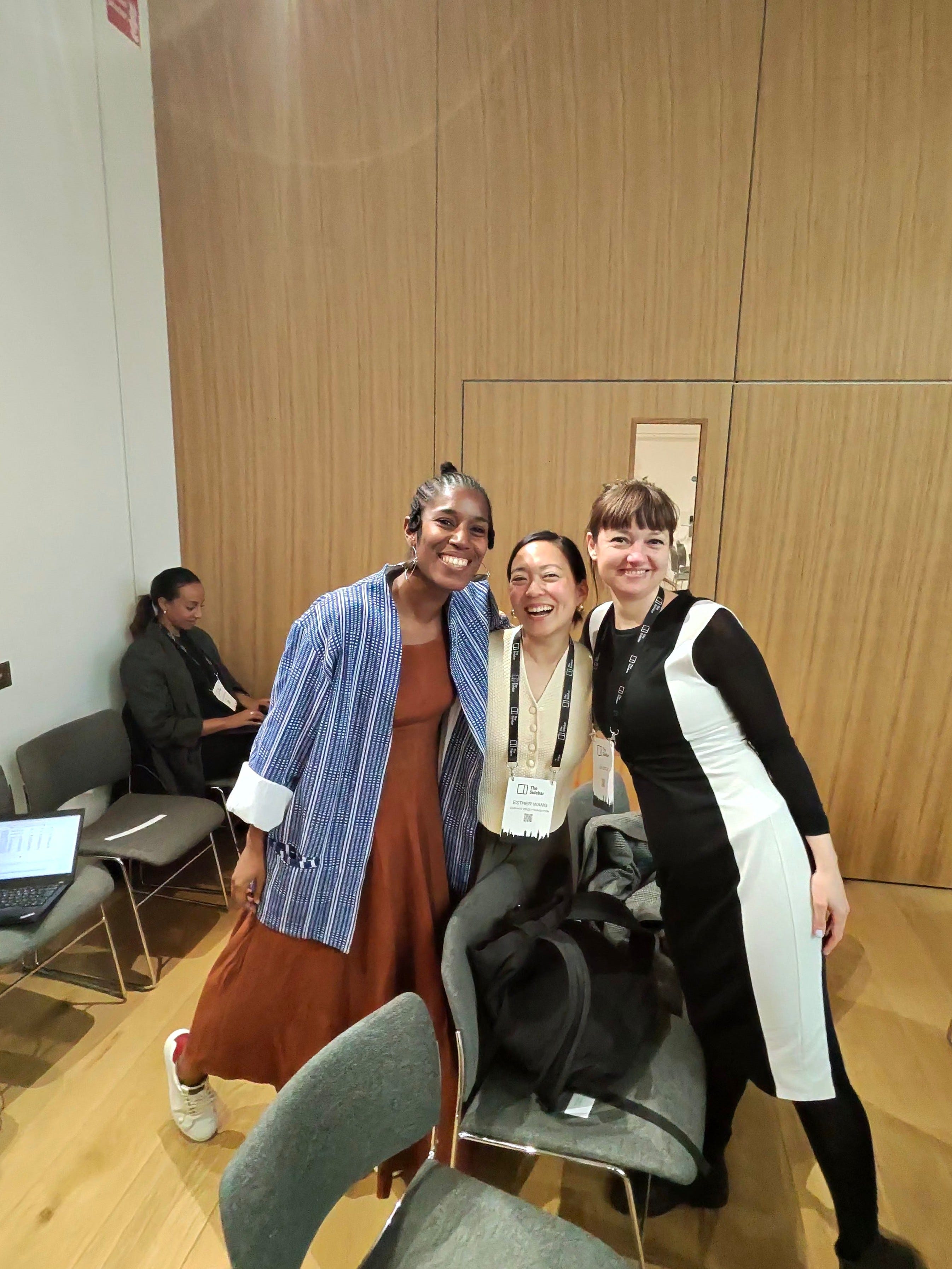

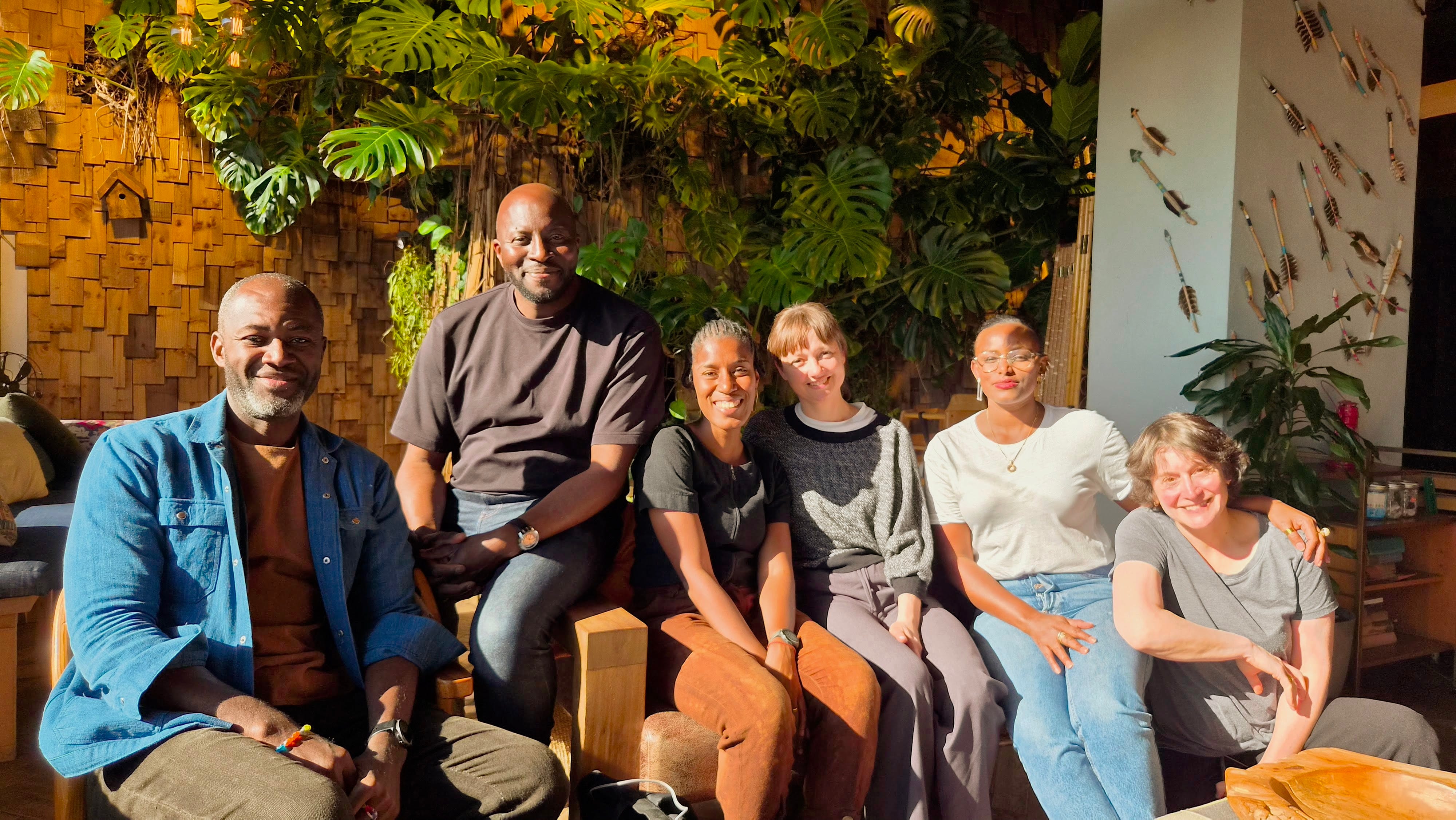
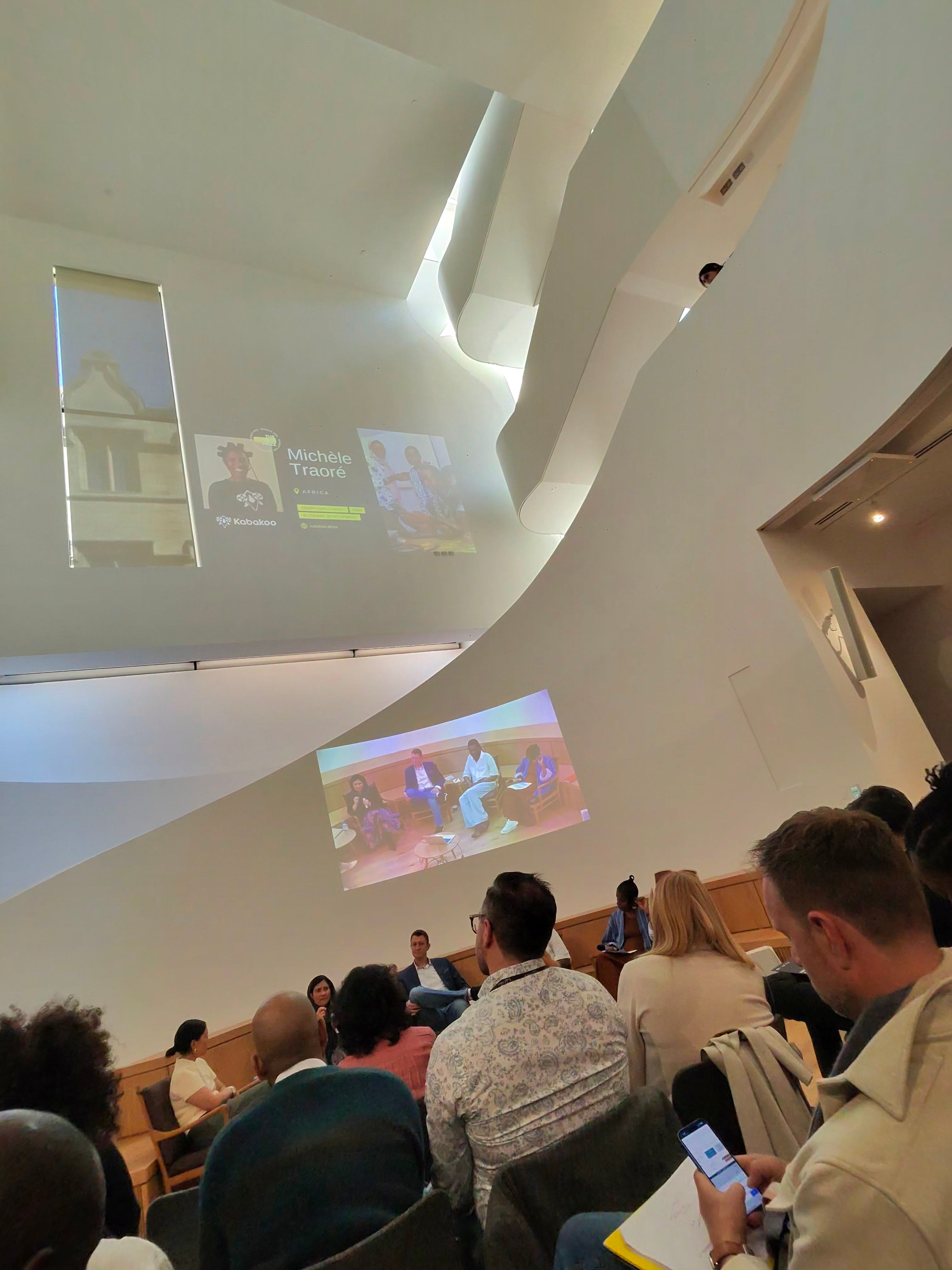
Some impressions from our trip to Oxford for the Skoll World Forum
Before we proceed to the exclusive results of our latest spillover analysis, bear with us for a Public Service Announcement, sponsored by the good folks at The Agency Fund.
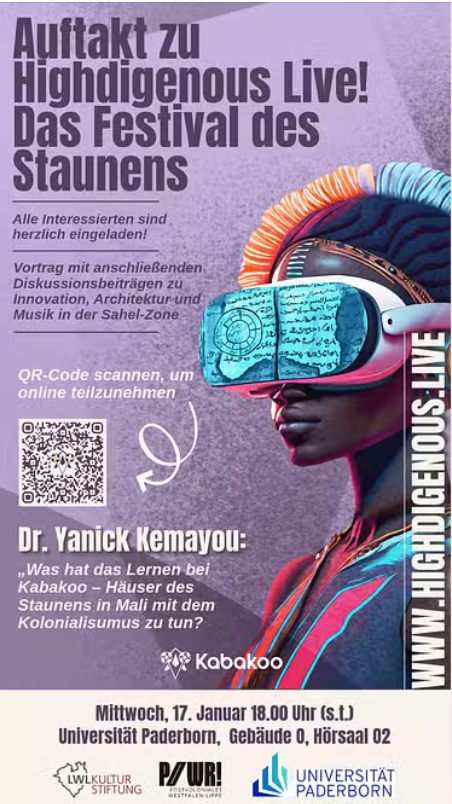
Bringing you the following must-read piece by Yanick.
Click on that “Read more” below, read the first paragraph, and you won’t regret it.
Now, back to the regular program. The spillover.
Beyond the learner: Towards system-wide effects
Our latest follow-up data continues to show positive effects among cohort participants across growth mindset, continued learning, labor-market attachment, behavioral outcomes, and income progression. But the newest analysis also points to something broader: Kabakoo’s effects may not stop with direct participants.
The “clean control” challenge
It emerged from a methodological challenge. As the evaluation progressively tightened the definition of a “clean control”, excluding respondents with Kabakoo app use, participation in open Kabakoo’s events such as the festival Bamako.ai, or close friends enrolled at Kabakoo, the comparison group shrank dramatically.
In the pooled 2023-entry sample, only 96 respondents of the originally 369 individuals remained “clean controls” at 12-months post-baseline, representing 26% of the initial control group.
From an evaluation perspective, this makes it harder to construct a truly unexposed comparison group. Analytically, it suggests that many respondents outside the treatment group still reported indirect exposure to the ecosystem through friends, public events, platform use, or community interactions.
Community exposure to Kabakoo is also associated with positive economic signals
An earlier pattern observed in our 2024 cohort-selection experiments had already pointed in this direction. Previous engagement with the Kabakoo community, particularly having friends connected to the Kabakoo ecosystem, appeared strongly associated with the decision to invest in training participation.
The current spillover analysis extends this question further: beyond influencing participation itself, could exposure to the ecosystem also be associated with broader economic and social effects around direct learners?
To explore this, we examined two forms of spillover exposure among non-participants:
- Passive exposure: community membership or close friendships with Kabakoo participants
- Active exposure: respondents outside treatment groups but reporting app or platform-course use
Compared to strict unexposed controls, respondents with passive or active exposure to the Kabakoo ecosystem showed directionally positive differences across several economic and social indicators.

One of the more interesting signals concerns both income and outgoing support transfers. Passively exposed respondents showed roughly +26,700 FCFA ($43 USD) in last-month income and +21,800 FCFA ($35 USD) in outgoing support transfers relative to strict unexposed controls. Actively exposed respondents showed about +47,800 FCFA ($78 USD) in last-month income and +27,900 FCFA ($45 USD) in outgoing support transfers. The impact therefore does not only concern individual economic outcomes, but also the capacity to support others within surrounding social networks.
Our ambition is to contribute to a positive and meaningful change in the lives of 1 million youth by 2030. Reaching that level of scale will not happen through intensive cohort participation alone. It will also depend on how learning, behaviors, opportunities, and support circulate through broader social and community networks. That’s why we have always been interested in understanding the spillover and broader, system-wide (general equilibrium) effects of our work. This spillover analysis is our first foray into quantifying those effects. Here’s to more of that in the next months and years! Yippee Ki Yay!
Making learning work in constrained environments: lessons from the first month of Kabakoo Tremplin, our latest cohort
There is a hidden assumption baked into most digital upskilling. Learners’ autonomy and the ability to self-regulate are treated as more or less given. The field over-relies on assumptions that learners possess the agency that digitally-enabled learning systems demand. And research (e.g., Darvishi et al., 2024) shows the same assumption has carried straight into AI-assisted learning. Designs treat the learner as a self-starting agent. Most EdTech and WorkTech tools assume stable bandwidth, stable schedule, stable attention, stable motivation, stable life. That learner doesn’t exist. Especially not in the contexts where digital learning is supposed to matter most.
For the youth navigating informally dominated economies in West Africa, learning often competes with transport issues, electricity cuts, unstable connectivity, family obligations, income-generating activities, exams, emotional stress, and the general unpredictability of a day-in-day-out lifestyle.
The challenge is therefore not simply “how do we teach skills online?” but rather: How do we engineer continuity of engagement under real-world constraints? As we say at Kabakoo, how do we make learning work?
This question shaped the architecture of Kabakoo Tremplin, the pilot cohort of our Highdigenous connection model, which officially launched in late March. The cohort grew out of the hyperlocal onboarding sprint introduced in our February newsletter, which onboarded 826 learners across Kabakoo’s neighboring areas in Bamako. The Highdigenous connection model is the latest iteration of the Kabakoo Learning Experience. It’s a WhatsApp-based, AI-powered upskilling platform that blends local social infrastructure, mindset-work, and project-based learning to help West African youth build agency, social capital, and economic mobility.
A 30-day challenge to kickstart the journey
The entry phase of the cohort was structured around a 30-day challenge delivered entirely through WhatsApp, designed to progressively activate engagement, with learners receiving one short, actionable task per day. The goal of the challenge is to build consistent usage habits, addressing volatility insights from Breza & Kaur (2025).
Tasks unlocked one per day. Learners could not binge-complete the challenge in one sitting. The system was hence designed to establish rhythm: recurring moments of engagement and progression within fragmented daily lives. In that context, receiving a new challenge every morning was intended to create continuity, progression, and something to look forward to through small but repeated actions.
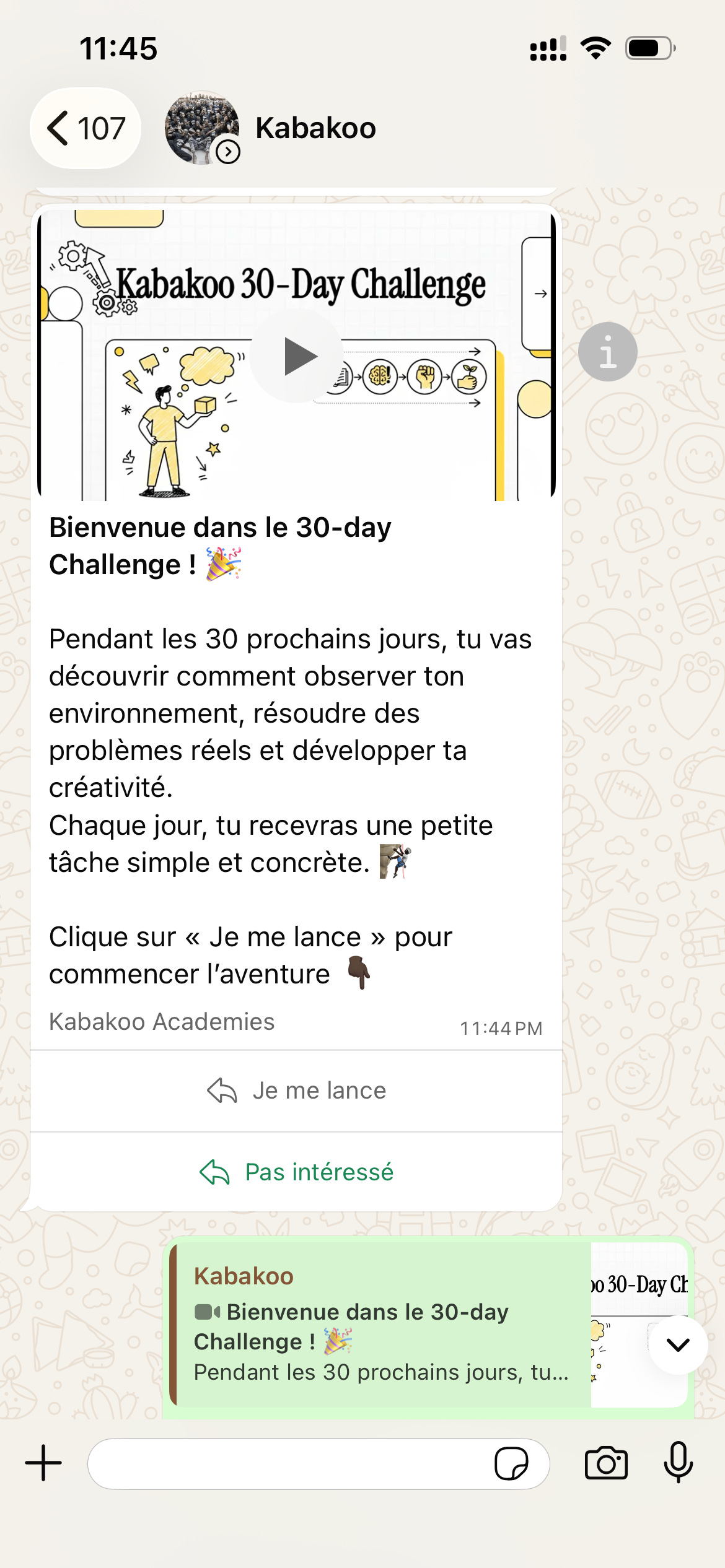
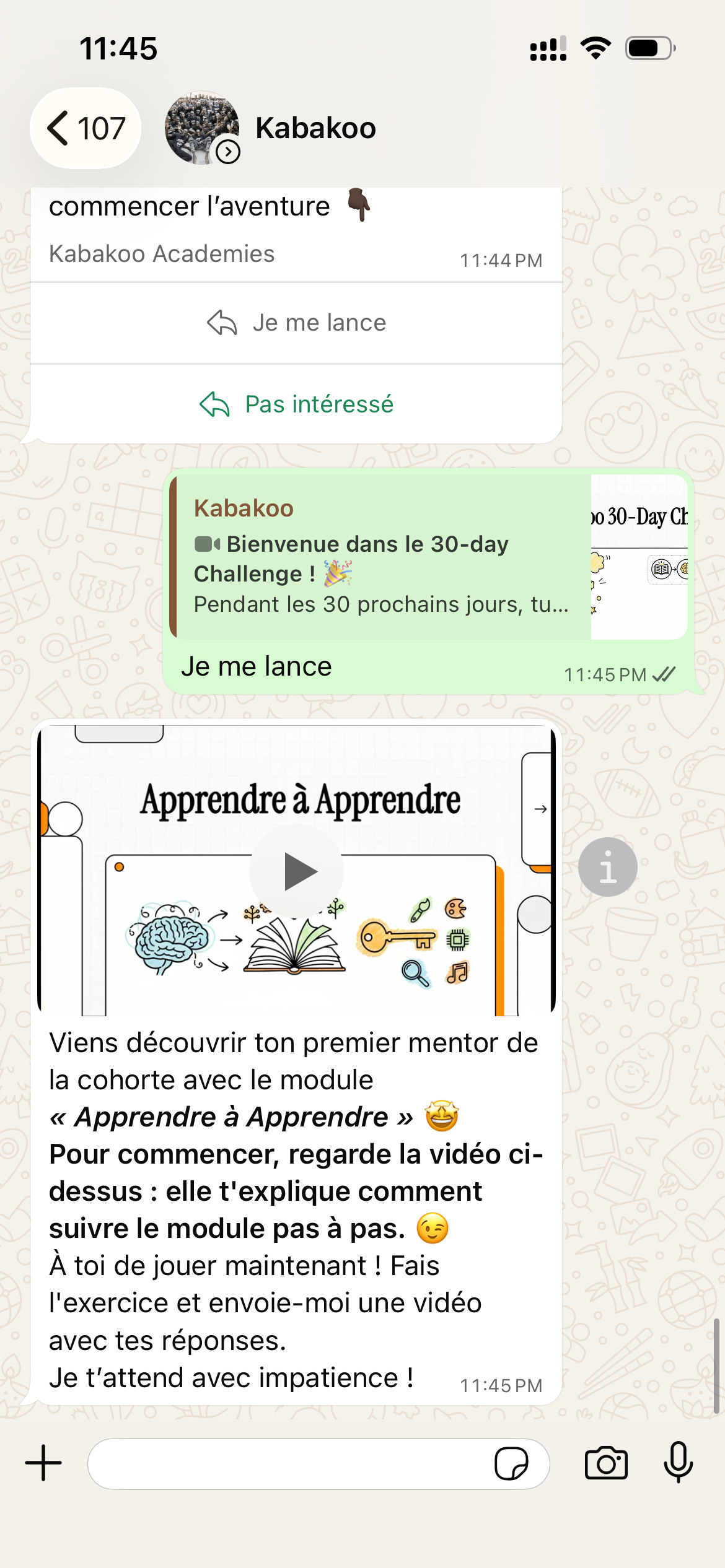
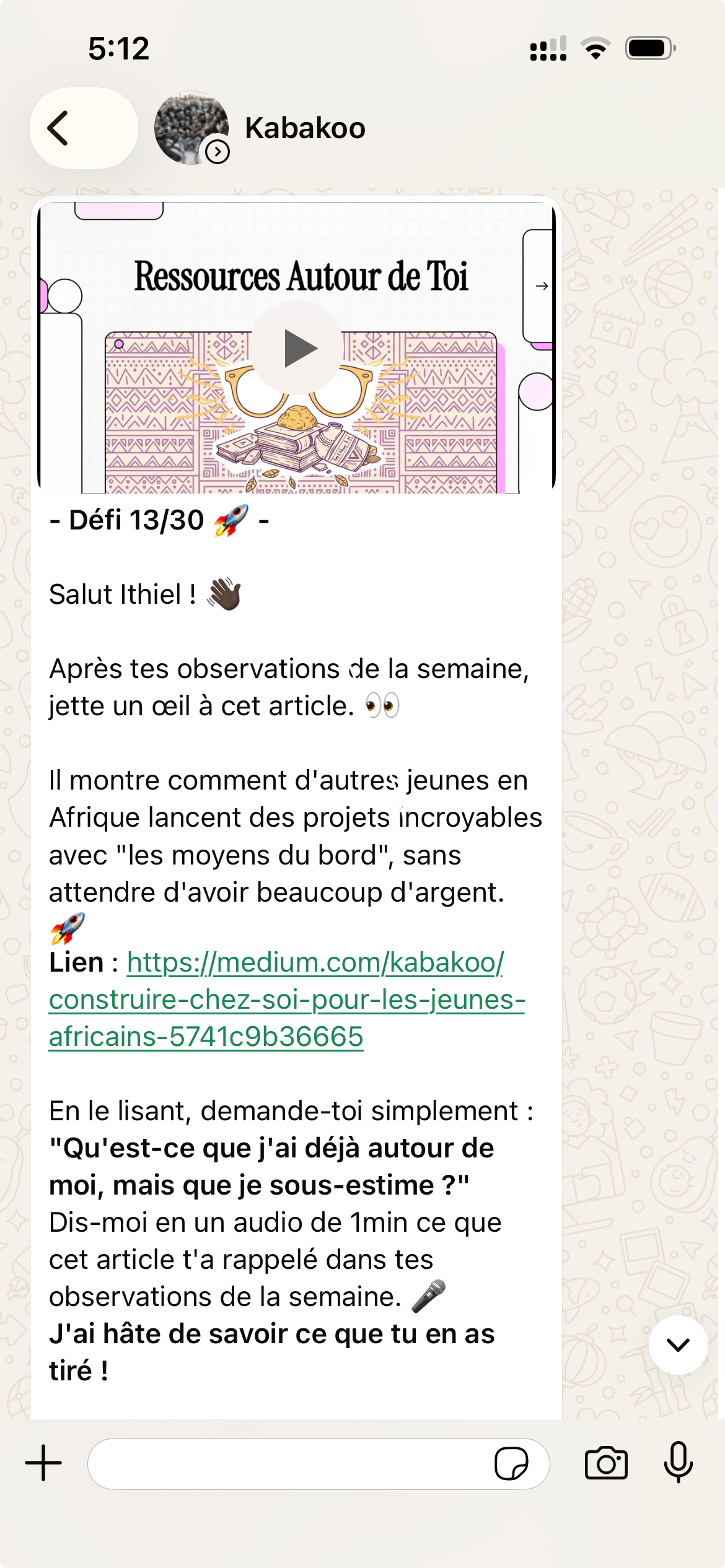
Screens from the WhatsApp-powered 30-day Challenge
When the system started drifting apart
After approximately two weeks individually navigating the challenge, learners were expected to transition into small collaborative groups, “Pods” formed around shared interests, progression levels, and project ideas. The goal here was to move from individual engagement toward collective learning dynamics, where accountability, problem-solving, and momentum would increasingly emerge through peer interaction.
As per our design, progression toward this second phase was supposed to remain relatively synchronized. In practice, the gap between learners had already become significant. Some participants progressed consistently through the challenge. Others had stopped receiving daily tasks because of system-induced exclusion after periods of inactivity, missed validations, connectivity problems, or confusion about the system itself. By the time the Pod formation phase approached, it became clear that learners were no longer experiencing the same reality.
At first glance, this could simply look like low engagement or dropout. But the reality turned out to be far more instructive. We organized survey calls with 226 learners and facilitated in-person focus groups doubling as remediation sessions to better understand what had happened. What emerged was a clear picture of how fragile digital continuity becomes under real-world constraints.
Some learners disappeared because their phones broke. Others lost access to WhatsApp. Some had unstable internet or insufficient data bundles. Others missed the launch session and never fully understood the structure of the program afterward. Several got blocked after repeated non-validations from the AI Mentor and gradually disengaged. Others struggled with exams, work, internships, illness, family constraints, or discouragement after falling behind. In short, life happened.

What was actually breaking continuity
One of the strongest findings was that learners often needed more procedural clarity than additional content. They needed more clarity on “how to do things” than on the content itself. The bottleneck was often not access to information, but what we now call navigational confidence. This is understanding where they were in the system, what came next, how validation worked, and how to recover after falling behind. Effectively leveraging a seemingly simple platform such as WhatsApp for upskilling is no small feat.
Social isolation appeared as another major insight. Many learners reported that they had not interacted with anyone else connected to the training. The absence of human connection appeared to directly weaken engagement. This reinforced our hypothesis that social connection is not just a “feature” of learning, but a part of the learning process itself. The Pods had originally been conceived as collaborative learning structures designed to kick in after the first weeks of engagement. Learner feedback made it clearer that they also needed to function as early anti-isolation mechanisms.
The remediation sessions also revealed that disengagement was often cumulative rather than sudden. One missed validation, one broken phone, one week of exams, and the learner progressively drifted outside the system.

The 30-day challenge surfaced constraints that loom invisible in digital learning models: infrastructure fragility, procedural confusion, social disconnection, device instability, and how quickly learning pathways diverge once they encounter the realities of everyday life. These findings are now directly shaping the next iteration of the system: stronger synchronization mechanisms, more intentional earlier social connection, and clearer recovery pathways.
Kabakoo Faces
(With over 42,712 registered learners, each month we spotlight a member of our vibrant community.)

Adama joined Kabakoo through the Digital Makers training in 2024; at a moment where he carried ambitions and business ideas of his own, but struggled to move them forward concretely.
“Before Kabakoo, I was really lost. I didn’t know which path to take. I was confused in my thoughts, in my projects. It was really total confusion.”
He remembers repeatedly sharing projects with friends and relatives, depending on them to help him take the next step. The encouragement was often there, but concrete support rarely materialized.
Through the Kabakoo learning experience, the peer community, and particularly the mindset-oriented “Learning to learn” module, Adama says he progressively became more organized, more comfortable with others, and more capable of taking ownership of his own ideas and moving them forward himself.
One of the biggest shifts for him was his confidence.
“I wouldn’t say that now I don’t need anyone, but currently I can at least stand on my own two feet little by little.”
In this video, Adama shares more about his experience, challenges, and journey with Kabakoo.
Thank you for reading to the end! 💜🧡
Michèle & Yanick
Enjoyed this newsletter? Let others discover it too!

.png)


