
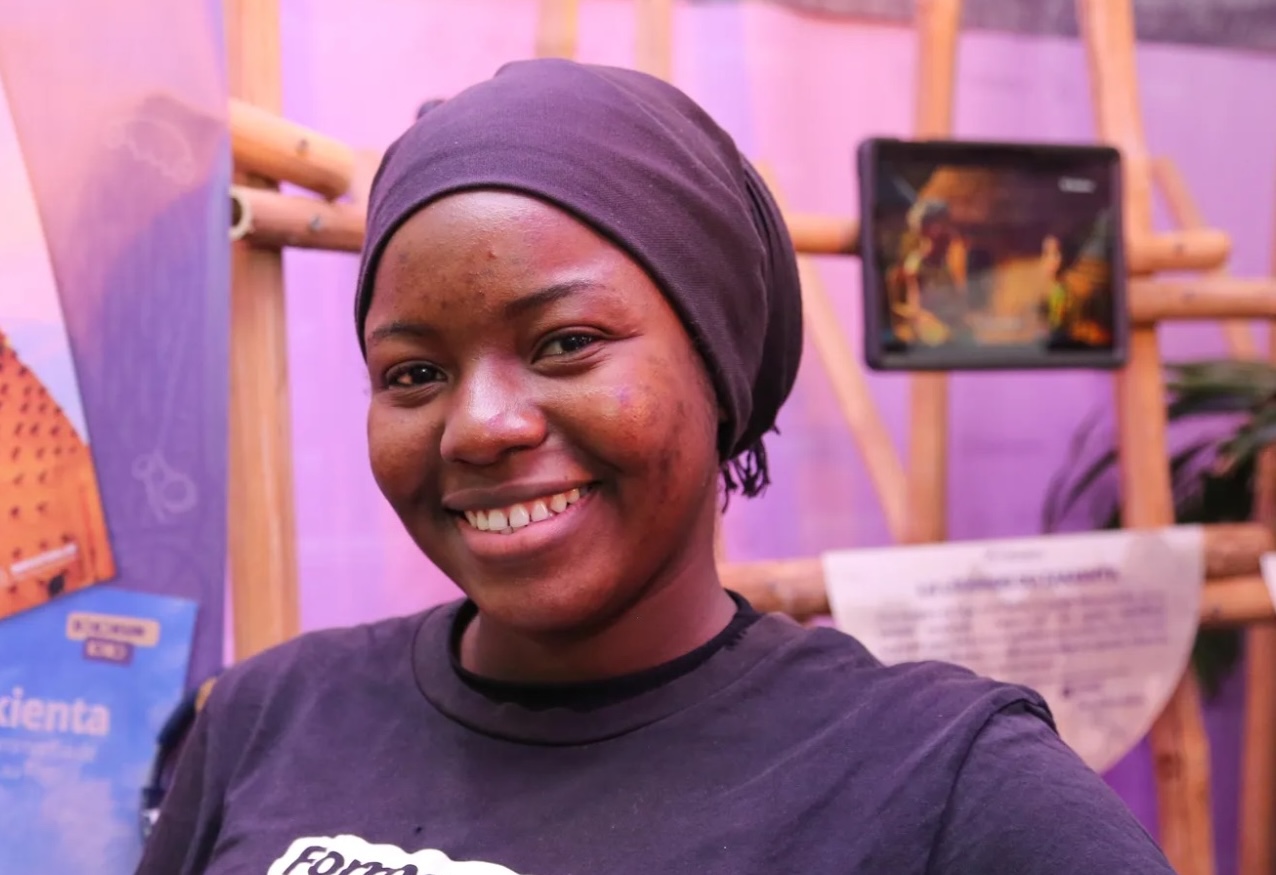
Hello from Missabougou Hills, Bamako!
Despite the scorching Sahelian heat with current temperature around 40° Celsius, we are happy to be back here after an intense international sprint. The past weeks took us from AI gatherings in India to a strategic retreat in Portugal with the good folks at the Elevate Prize Foundation to a World Bank event in Nairobi.
Our record for this month is Drumming by Steve Reich. Reich composed the piece in the 1970s, after weeks studying with Ewe master drummer Gideon Alorwoyie in Ghana. The result uses identical rhythmic patterns played simultaneously, gradually shifting against each other until new structures emerge from seemingly simple repetition. This record as been named minimalism’s first masterpiece. The Ewe drumming system that became the generative source for an entire Western musical movement originate from communities that span southern Ghana and Togo. As we prepare a regional symposium on endogenous innovation with Université de Lomé, Drumming is a good reminder. Endogenous knowledges can drive economic value creation. We need systems and structures to make them work for the youth.
What are we building?
Kabakoo designs and scales evidence-based pathways for West African youth, integrating AI, community, and cultural insights to foster the mindset and skills essential for achieving economic mobility and driving systemic change in informally dominated economies.
☀️ February 2026 Highlights
The World Bank and the Government of Kenya invited us to present at the Jobs for Youth in Africa Knowledge Exchange, an invitation-only gathering of people shaping youth employment policy across Africa. Ministers and policymakers from nearly 40 African countries attended.
During the plenary session on digital tools for jobs, we presented Kabakoo’s approach to youth productivity: an upskilling engine designed for the 95% operating in informal and hybrid contexts, that youth jobs programs don’t usually address. This framing led directly to follow-up discussions with several countries on how the model could be deployed in their contexts. But most interestingly, delegations from various countries came up and said variations of the same thing: “You’re describing our reality. It’s refreshing to see someone framing it like this in this kind of rooms.”
Gratitude to Abby, Sam, and Yoon for having made this happened!
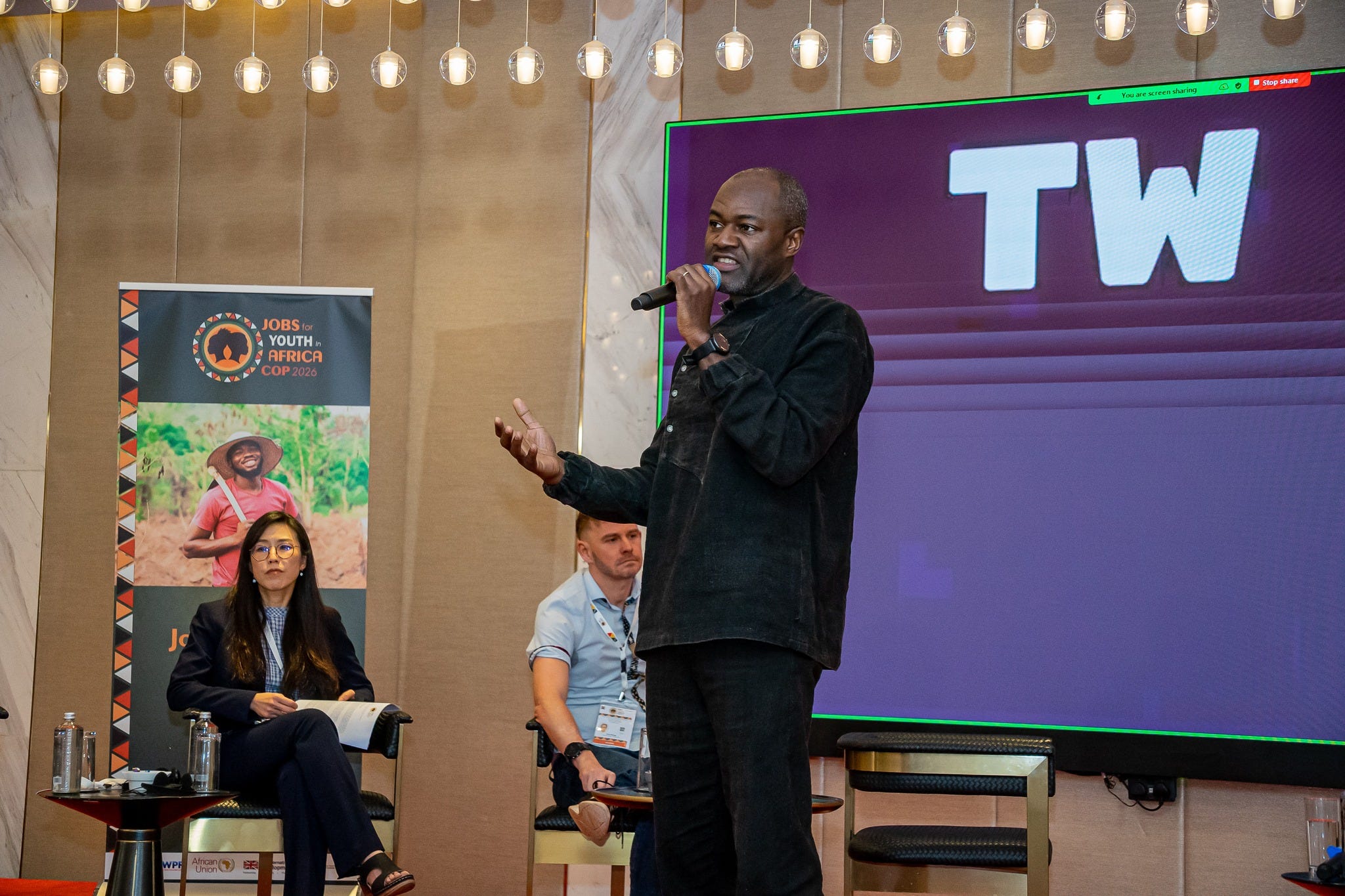
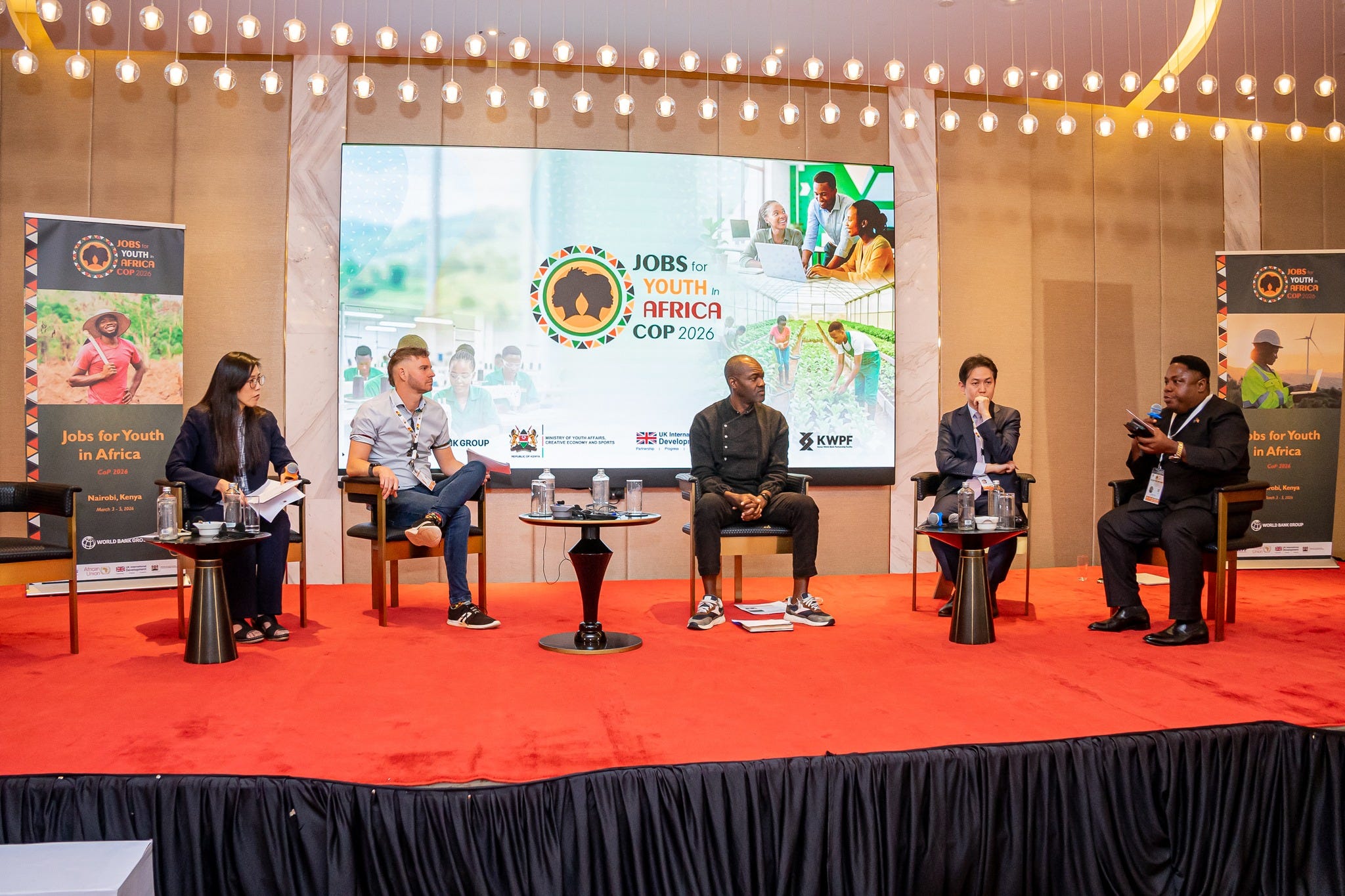
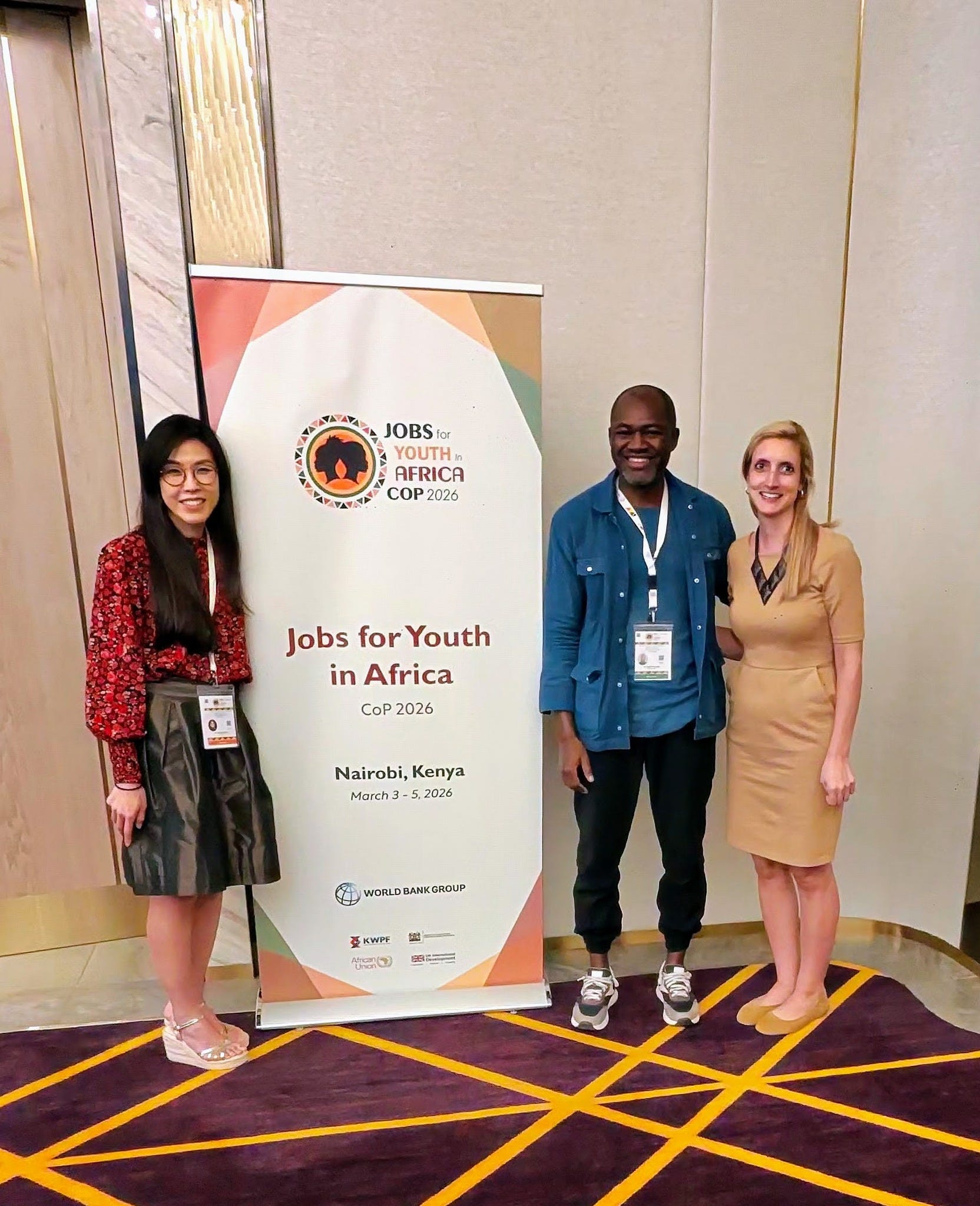
Yanick at the Jobs for Youth in Africa Knowledge Exchange, Nairobi.
1,000 students in Lomé: the Togo chapter begins 🇹🇬
Readers of our December 2025 update will remember the exploration sprint in Lomé, where we discovered that EY consultants had independently used Kabakoo as primary inspiration for Université de Lomé’s UniPod innovation hub. Without ever contacting us.
That sprint has turned into something concrete. Over the past weeks, we formalized a partnership with the Presidency of Université de Lomé to deploy our learning model directly into the university, starting with a pilot of 1,000 final-year students from the Faculty of Economics and Management. With more than 74,000 students, Université de Lomé is one of the largest public universities across West Africa.
The goal is to help students become productive economic actors before they graduate. They work on real projects, use local resources, build capabilities that connect to their environment. We are not delivering a career services add-on, but using the Kabakoo’s Highdigenous methodology to redesign what the final university year can do.
The university’s leadership is driving a broader ambition of repositioning higher education as a driver of local economic value, and reconnecting learning and production systems. We’re also co-organizing a regional symposium on “Productivity, Endogenous Innovation, and Youth Employment in West Africa” with the university, pulling in researchers and policymakers from across the region and beyond. If you would like to be involved, reach out! It’s going to be a party you don’t want to miss!
The inner obstacle: what video diaries reveal about the real barriers hindering youth of achieving economic mobility
What if the main barrier to youth opportunity isn’t financial? Or not even lack of technical skills?
This question has shaped our work since we started Kabakoo back in 2019. Informed by our life trajectories and our understanding of works on identity economics, human agency, the aspirations–capability nexus, the economics of non-cognitive skills, critical pedagogy (to name just a few :-), we have structured the Kabakoo Learning Experience around our mindset-oriented core modules. Kabakoo has been building a unique dataset while applying this evidence-based approached to youth productivity and employment in West Africa. In thousands of video diaries, learners describe, in their own words, what stands between them and their goals, where they find beauty in their lives, how they navigate their social relationships, etc.
These reflections, submitted as selfie videos via WhatsApp and the Kabakoo App as part of our mindset-oriented modules, reveal a consistent pattern. And they offer a rare window into how young people in West Africa understand their own constraints.
The main obstacle is not only financial. It is psychological.
Across learners, 67.6% cite psycho-social barriers, such as self-doubt, fear of failure, procrastination, fear of judgment, social pressure, almost as frequently as financial constraints (66.2%), but often with greater depth. Financial constraints are mentioned briefly with a few words. Internal obstacles are explored for minutes.

The primacy of psycho-social constraints is consistent with additional data sources, drawn from different populations, methods, and years. First, when Kabakoo added suggested prompt buttons to its AI mentor in August 2023, “How to stay motivated?” became the second most-clicked button; nearly rivaling “How to make money online.” Psychosocial need rivaled economic need in revealed preference.

Second, as per our learner demand data (N=1,830, 2025), when asked what they want most from an upskilling platform (see our March 2025 update), 32% chose mindset and agency modules (“Learning to Learn” and “Visualization”) over entrepreneurship (25%) or any technical skill.
This challenges a common assumption in youth programming that access to capital or skills is the primary constraint. Our data suggests something more nuanced. Economic barriers are real, but they are not sufficient to explain what holds young people back.
From obstacle to agency
Mindset work in the Kabakoo Learning Experience does not stop at identifying obstacles. Our “Visualize to Succed” module, for instance, is designed to move learners from goal setting and obstacle identification to concrete action planning, and this shift is visible in the language they use.
At first, obstacles are described in deficit terms: “manque de confiance” (lack of self-confidence), “manque de moyens” (lack of resources), “pas d’avenir” (no future). As learners progress, their language becomes active and forward-looking, shifting to the first person: “je vais…” (I will), “je dois…” (I must), “je commence par…” (I’m starting with).
This shift happens by design. The module places obstacle identification at Session 5 of 6, i.e. after learners have already built a vision and a plan in earlier sessions. They encounter obstacles from a position of claimed agency, not helplessness. The pedagogical architecture hence leads to the linguistic shift the data reveals.
Building agency for economic mobility in a context of low trust
Another pattern appears in how learners describe where they turn for support.
Across the videos, very few mention formal institutions. Instead, learners rely on mentors (24.1%), family (17.2%), and peers (16.4%).
These findings align with our 2024 Youth Trust Survey (N=1,079) (to our knowledge, the largest conducted with Malian youth ) where formal institutional trust levels are strikingly low: political parties (0.7 / 3), social media influencers (0.6 / 3), local municipal council (1.3/3), religious leaders (1.6 / 3).
By contrast, trust is highest in parents (2.9 / 3), followed by teachers (2.3 / 3) and friends (2.0 / 3).
In this context, young people navigate uncertainty through proximity, relationships, and their own (relational?) agency. This opens up intriguing questions such as how to collaborate and build with institutional support structures that youth don’t trust. And also how can we strengthen both the internal capacity to act and the close social environments that sustain action.
The mental health burden of poverty is not only about clinical disorders. It is about the chronic erosion of agency, self-worth, and the capacity to imagine a different future. In West Africa, these psychosocial wounds are compounded by the epistemic violence of educational systems that systematically devalue indigenous knowledge, leaving young people doubly constrained: economically excluded and psychologically dislocated from their own cultural resources for resilience. Our work is designed to addresses this intersection. Kabakoo’s Highdigenous model, integrating AI (high-tech), community, and cultural (indigenous) insights, disrupts the psychological architecture of poverty before targeting its economic symptoms. Our hypothesis is that sustainable economic mobility requires a prior shift in self-perception, agency, and future-oriented cognition. Our longitudinal data supports this, including the counterintuitive finding that learner satisfaction increases at 18-month follow-up rather than decaying (see below), suggesting deep internalization rather than surface-level enthusiasm. And the thousands of selfie videos provide a rare window into this mechanism in action. They make visible, in learners’ own words and on their own terms, the transition from identifying internalized constraints to formulating strategies and (mostly) collectively taking ownership of their economic trajectories. This is a psychosocial intervention that expresses itself as economic mobility. We have made it scalable, culturally grounded, and measurable.
Consistent signals across cohorts: evidence from our latest Digital Makers cohort
The latest follow-up evaluation of the third Digital Makers cohort from 2024 provides new insights into what happens after the cohort’s program ends. Our impact tracking relies on longitudinal studies using a recruit-and-delay approach. While quite demanding, this allows us to observe whether and how learning translates into real economic and behavioral outcomes over time, and whether the same signals keep repeating. The study is based on a longitudinal sample of 187 individuals tracked over time (109 participants and 78 control group members), enabling a rigorous comparison of outcomes.
Durable changes in mindset
One of the most distinctive signals appears in mindset development.
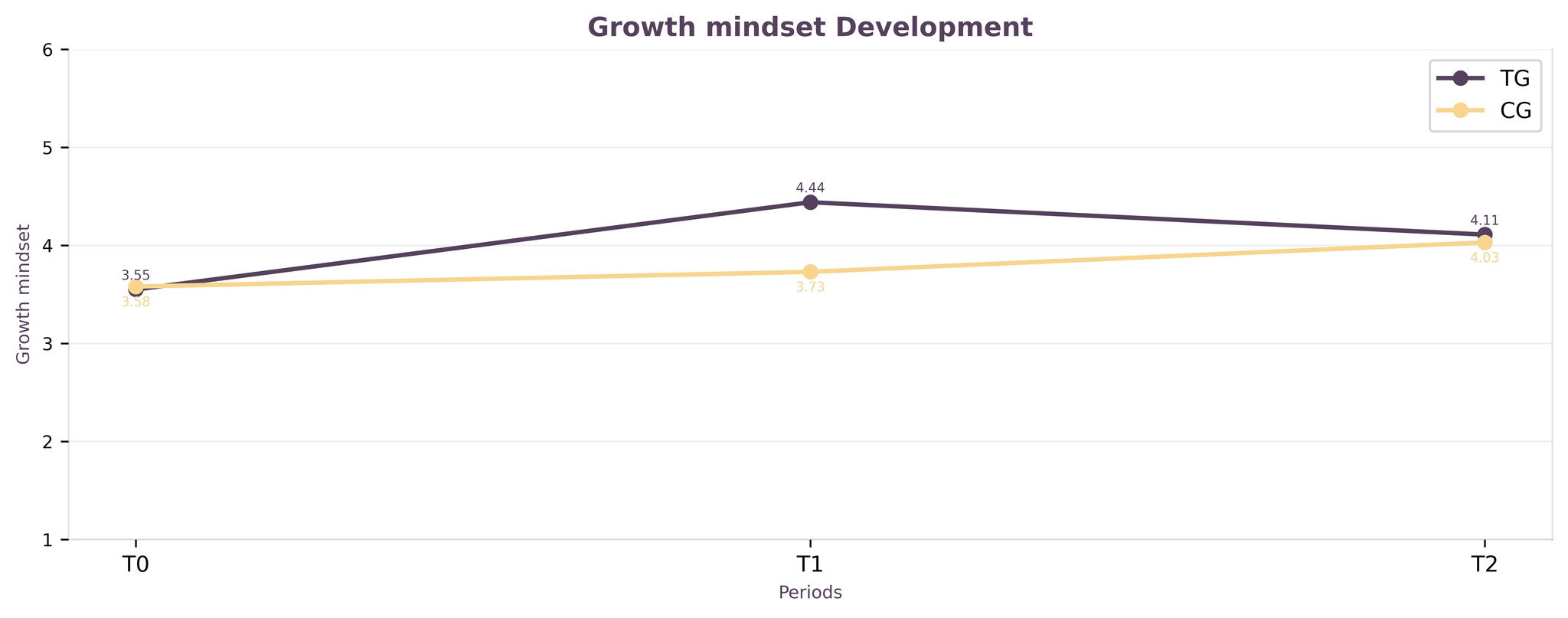
Participants in the program show a sustained increase in growth mindset, the ability to view challenges as opportunities to learn and adapt. While both groups evolve over time, participants who completed the program reach significantly higher levels during the training phase and maintain that advantage 18 months after the end of the program (T2). This reinforces a pattern we observe consistently. Mindset shifts precede skill acquisition and shape how opportunities are approached.
Stronger employment and income resilience
A second signal appears in a clear difference in employment trajectories.
At the time of the follow-up survey, 66.7% of program participants were employed, compared with 52.3% in the control group. While employment trajectories are influenced by many external factors, this gap suggests that the skills, networks, and confidence developed during the program might provide a tangible advantage.
Income patterns tell a complementary story. 18 months after the program, participants are significantly less concentrated in the lowest income brackets and more represented in intermediate and higher income categories.

Perhaps more importantly, when economic conditions (strongly) fluctuate, program participants appear better able to stabilize their income levels, suggesting stronger resilience in uncertain economic environments as the one Mali has been going through in the last two years.

Net Promoter Score: A consistent (and very motivating) unexpected finding
This idea of sustained value is also reflected in the Net Promoter Score (NPS). Earlier cohorts already showed very high endorsement levels, with NPS interestingly increasing from 70 (T1 )to 81 (T2) as discussed in our April 2024 update. The current 18-month follow-up shows a similar trajectory, with NPS rising from 58 (T1) to 75 (T2).

Detractors barely moved (11% to 8%). What changed is that passives converted to promoters, dropping from 19% to 8% while promoters rose from 69% to 83%. People who were on the fence at program end became active advocates 18 months later, maybe after testing what they’d learned against real conditions. Critically, the same individuals were surveyed at both time points. We can hence rule out that T2 respondents are simply a more enthusiastic subset.
We see two possible explanations for the increasing NPS. First, some delayed value appreciation or sleeper effects might be at play. Participants only recognize the program’s full value after applying skills in real-world contexts over months. Second, there might be some response-shift. Participants’ internal reference frame for “what a good program looks like” might change as they gain market exposure. At T1 they rate the program against expectations; at T2, they rate it against lived counterfactual (what life would be without these skills).
Happy to have your thought on this!
That endorsement grows after the program ends, when learners have had time to test their new capabilities, says something about what they take away. And of course, gives us more energy to pursue the mission with our contrarian theses and our team of freaks and misfits.
Kabakoo Faces
(With over 39,868 registered learners, each month we spotlight a member of our vibrant community.)
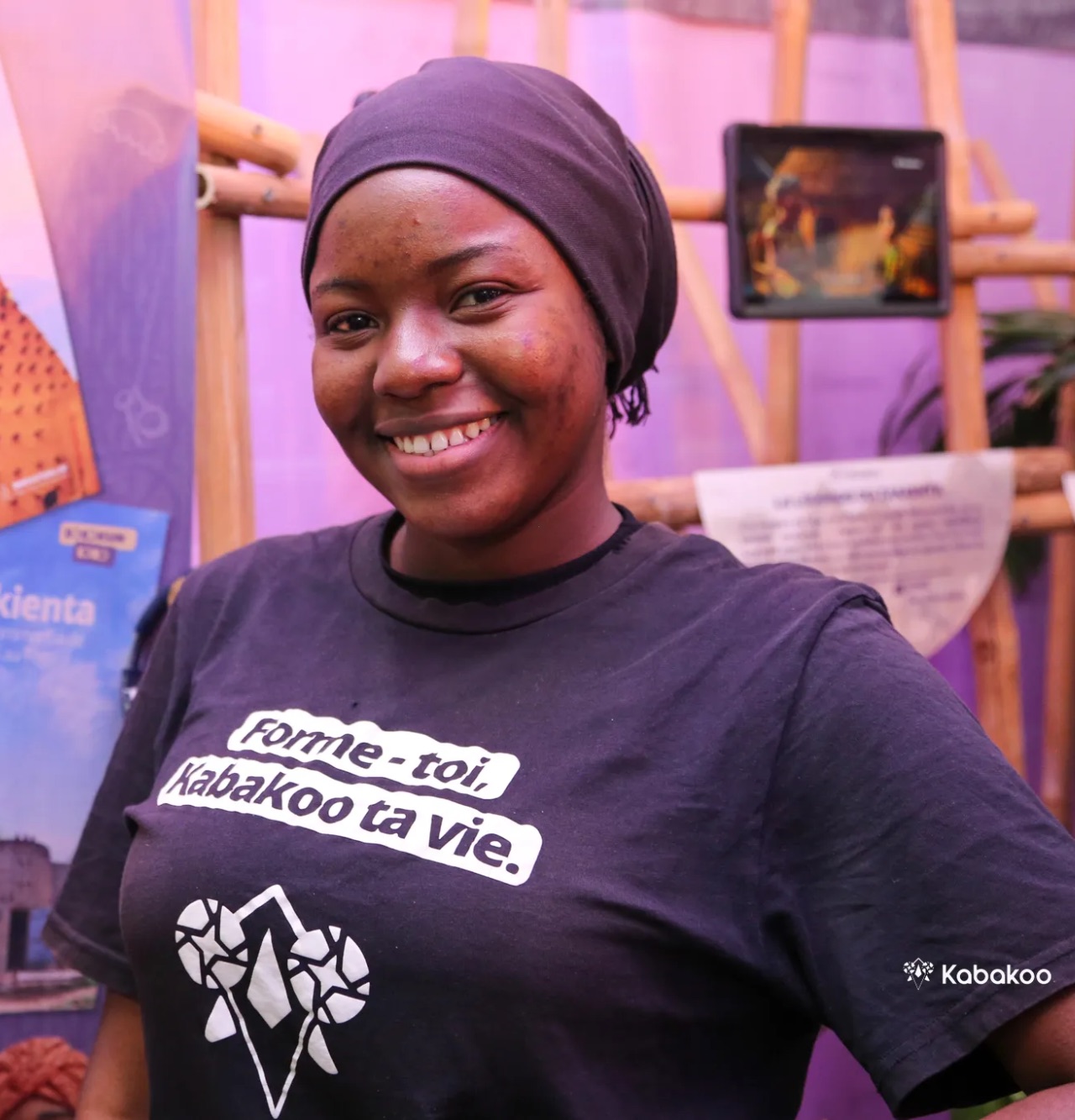
Before joining Kabakoo, Oumou had never used a computer. Her days were mostly spent helping at home with household work, carrying a quiet frustration. She wanted to enter the digital world and build an e-commerce activity, but had no idea where to start.
“I had the desire to learn, but I didn’t know how.”
On the Kabakoo platform, learning happened through practice and collaboration. The first day was confusing. Used to the classic teacher-student model, she waited for instructions.
She says that Kabakoo’s mindset modules changed her approach. The exercises pushed her to clarify goals and ask questions she’d never considered. One key moment for her was the exercise inviting learners to visualize and speak to their future self five years ahead.
At first, her ambition was to launch an e-commerce activity. As the program progressed, she discovered capabilities she didn’t know she had. Her proudest moment was building her first website and creating her first digital automations. She’s since launched her e-commerce shop and learned to manage product inventory digitally.
But the biggest change, she says, is her confidence. Her relatives now describe her as someone constantly busy, working on projects. Some come to her for financial help, something she never imagined. Her father’s reaction meant the most to her. He never told her directly he was proud. But after attending a presentation of her work, he told the rest of the family everything she could now do.
Yes, we need to get that inner obstacle down. Or at least, get youth to jump over it.
Watch Oumou’s full story here.
We’re hiring! Tell your people to their their people 👀
Kabakoo is growing and we’re looking for the kind of people who like building things where nothing is really set yet. Right now, we’re hiring two key roles in Lomé.
- Someone to run operations and grow the community as we deploy our work with the Université de Lomé. This position is about making things actually happen, keeping momentum, navigating institutions, and building something from the ground up. All details here.
- We’re also still looking for a Senior Engineering Manager to push our digital platforms and AI systems forward. All details here.
If you know people who like to figure things out instead of waiting, and who get excited about building in real-world frontier settings, please send them our way.
By the way, Lomé’s beaches are gorgeous, and Togolese food is incredible! Be our guest anytime to enjoy it for yourself.
Thank you for reading to the end! 💜🧡
Michèle & Yanick

.png)


